

By Abayomi Elias
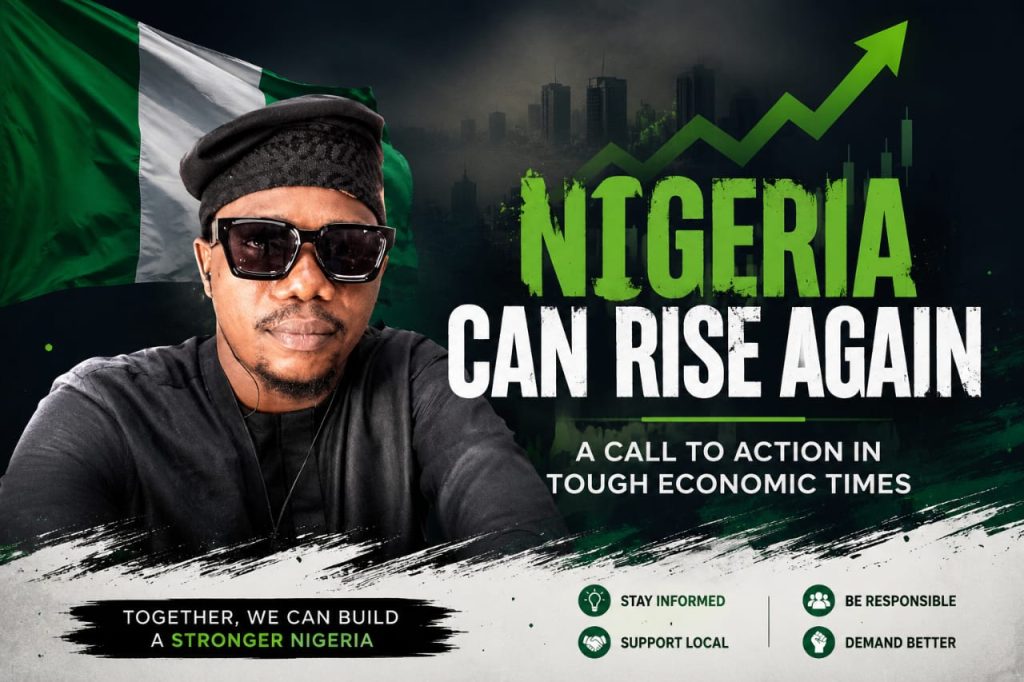
Nigeria stands at a defining moment. The sweeping economic reforms introduced by President Bola Ahmed Tinubu—particularly the removal of fuel subsidy—were bold, necessary, and, by many macroeconomic indicators, impactful.
Government revenues have increased, fiscal leakages are being addressed, and investor confidence is gradually returning, aided by a more predictable foreign exchange environment.
Yet, beyond these encouraging figures lies a troubling reality: the ordinary Nigerian at the grassroots is still waiting to feel the impact.
Across communities, especially in Lagos and other states, local government authorities and political actors speak of projects, palliatives, and renewed commitment.
Chairmen compete to showcase development initiatives, while relief materials are distributed to cushion the effects of economic hardship.
But a critical question persists—who truly benefits from these interventions? Are these palliatives reaching the most vulnerable, or are they filtered through partisan lines, favoring political loyalists over the general populace?
This disconnect between policy outcomes and lived realities fuels a growing perception that the current administration is harsh, despite its reform-driven intentions.
The masses struggle to reconcile narratives of increased government savings with their daily economic strain. For many, survival remains a challenge, and hope feels distant.
President Tinubu has made it clear: having set the policy direction, he expects accountability at all levels of governance. He has called on the media and citizens alike to hold public office holders responsible. But this raises further concerns.
How independent and empowered is the Nigerian media to truly perform this watchdog role?
To what extent do legal frameworks, such as the Cybercrime Act, constrain free expression and investigative journalism?
Equally important is the role of local stakeholders—community development committees, civil servants, and political leaders.
Do they fully understand and believe in the “Renewed Hope Agenda,” or are they merely performing for public approval without genuine commitment to its principles?
If the President’s reforms are to succeed, implementation must be sincere, inclusive, and transparent. Governance cannot end at policy announcements; it must translate into measurable improvements in people’s lives.
This is where the call to action becomes urgent.
Every stakeholder has a role to play. Public officials must prioritize service over self-interest. The media must rise above limitations and reclaim its voice as a force for accountability.
Citizens must remain vigilant, asking questions and demanding results. And political actors must resist the temptation to politicize relief efforts that should serve all Nigerians equally.History will remember this period.
Posterity will judge not only the architects of reform but also those entrusted with its execution. If indeed the data suggests that Nigeria is on the right path, then genuine support—not lip service—is required to ensure those policies benefit everyone.
Good governance is not an abstract ideal; it is the daily experience of the people. Until reforms translate into real relief at the grassroots, the job remains unfinished.The question now is simple: will we all rise to the occasion, or will we allow opportunity to slip through our fingers?The choice—and the responsibility—belongs to us all.