

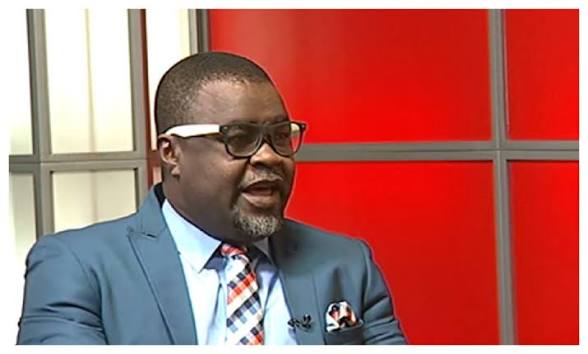
Lawyer and public affairs analyst, Liborous Oshoma, has criticized the Federal Government’s assessment of Nigeria’s economic performance, arguing that increased government revenue has failed to translate into improved living conditions for citizens.
Speaking during an interview on The Morning Show on Arise News, Newsconnect reports that Oshoma responded to a question from anchor Dr. Reuben Abati, who sought his assessment of Nigerians’ quality of life under the Federal Government’s Renewed Hope Agenda.
Oshoma said evaluating the country’s progress using only selected economic indicators amounts to “half education,” insisting that true development should be measured by the quality of infrastructure, job creation, and the overall welfare of citizens.
According to him, previous administrations invested in enduring public assets and industries that boosted economic growth. He cited the construction of Cocoa House in the Western Region in 1965 and the establishment of cement factories, brick industries, and hotels by governors during the Second Republic as examples of long-term developmental planning.
He lamented that many present-day governors have failed to make similar investments despite receiving increased allocations, arguing that governments should focus on building infrastructure, creating jobs, and expanding public utilities rather than concentrating on taxation.
Oshoma also called for data-driven governance, urging state governments to commission studies to identify the areas where citizens need the most intervention. He maintained that effective planning requires reliable statistics rather than assumptions.
On the issue of Nigeria’s failure to conduct a national census since 2006, Arise News anchor Rufai Oseni asked how meaningful national planning could be achieved without up-to-date population figures.
In response, Oshoma said planning is impossible without credible data, stressing that the absence of verifiable statistics allows different agencies to produce conflicting figures. He urged the federal, state, and local governments to work together on population data collection, suggesting that states should be given greater responsibility in the process to enable better planning for education, healthcare, and other public services.
He maintained that knowing the actual population of youths, children, and other demographic groups is essential for effective governance and national development.