

…. Maida urges media to verify before amplifying AI-generated content, protect public trust
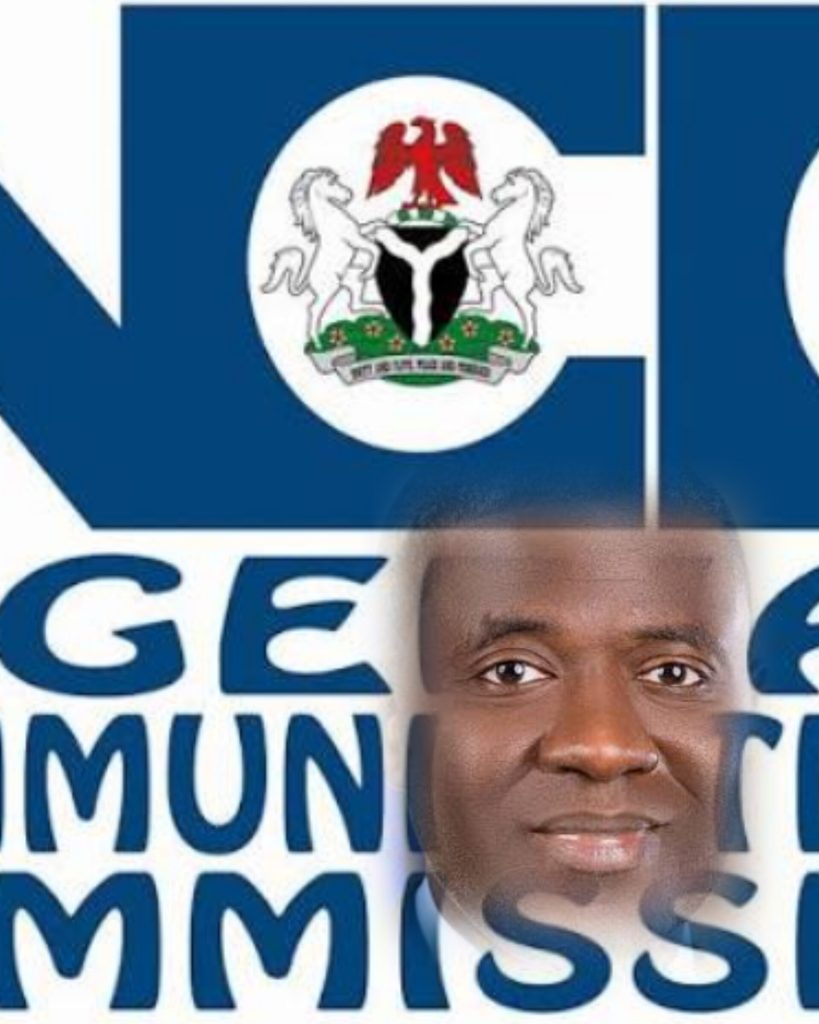
The Executive Vice Chairman and Chief Executive Officer of the Nigerian Communications Commission (NCC), Dr. Aminu Maida, has warned journalists against allowing the growing sophistication of Artificial Intelligence (AI) to compromise the fundamental principles of journalism, particularly verification, accuracy and accountability.
Maida gave the warning on Thursday, September 3, 2026, while delivering his address titled “Artificial Intelligence, Digital Innovation and Responsible Reporting: The Role of Telecommunications Regulation in Nigeria” at The Press Society (TPS) Media Sensitisation Workshop held at the Lagos Chamber of Commerce and Industry Ikeja, Lagos.
The workshop, themed “Balancing Creativity and Ethics in the Media in the Community in the Era of Artificial Intelligence,” brought attention to the opportunities and challenges AI presents to modern journalism.
News connect Online reports that Maida commended The Press Society for initiating the conversation, describing it as timely as AI continues to reshape the way information is created, distributed, consumed and monetised globally.
He noted that AI had moved beyond being a futuristic concept, with journalists already using digital tools to research stories, analyse data, transcribe interviews and reach audiences faster.
However, he cautioned that the same technology could also make misinformation more sophisticated and difficult to detect.
According to him, manipulated images, synthetic audio and misleading digital content can appear convincing even to experienced observers, making responsible journalism more important than ever.
“The obligation to verify information remains unchanged. Professional judgement remains indispensable. Credibility is still earned through diligence, evidence and accountability,” Maida said.
He stressed that technological sophistication must never be confused with truth, urging journalists to establish the origin and authenticity of information before amplifying it.
Nigeria Records 179.64m Active Telecom Subscriptions
The NCC chief executive also underscored the critical role of telecommunications infrastructure in supporting Nigeria’s digital transformation.
He disclosed that industry data published by the Commission showed that Nigeria had approximately 179.64 million active telecommunications subscriptions as of May 2026, with more than 157 million mobile internet subscriptions and over 121 million broadband subscriptions.
He said the figures demonstrated how connectivity had become an essential utility for millions of Nigerians.
According to Maida, telecommunications networks now support virtually every aspect of modern life, including financial transactions, e-commerce, healthcare delivery, education, public services, entertainment and security.
He explained that the same infrastructure is critical to the functioning of AI and other emerging technologies.
“AI depends on data. Data depends on networks. Networks depend on infrastructure, investment, regulation and collaboration,” he said.
NCC: Regulation Must Keep Pace With Innovation
Maida said telecommunications regulation must evolve alongside technological advancement, stressing that the NCC’s objective was not to impede innovation but to ensure that it develops within a framework that promotes security, fairness and accountability.
He said the Commission had continued to support initiatives aimed at strengthening consumer protection, cybersecurity and network resilience.
“A thriving digital economy cannot be built solely on technology. It must also be built on trust,” he stated.
The NCC boss also drew attention to the impact of fibre-cut incidents on communications services across parts of the country earlier in the year.
He noted that disruptions to telecommunications infrastructure do not affect operators alone, but can disrupt businesses, emergency services, financial transactions, government platforms and citizens’ access to information.
He therefore described the protection of communications infrastructure as a shared national responsibility.
Maida Gives Journalists Five Rules for Reporting in AI Era
The NCC chief executive urged journalists to strengthen their digital knowledge and professional capacity while adopting responsible approaches to AI-assisted reporting.
He outlined five principles for media practitioners:
First, verification must remain non-negotiable. Journalists must establish the origin and authenticity of information before publishing or amplifying it.
Second, technological sophistication is not proof of truth. Content may look authentic while being false or deliberately misleading.
Third, journalists should rely on authoritative sources and publicly available evidence, particularly when reporting on technical sectors such as telecommunications.
Fourth, reporting on emerging technologies should be balanced, presenting both their opportunities and potential risks rather than promoting undue optimism or unnecessary alarm.
Fifth, public trust must remain the media profession’s most valuable asset, as compromised credibility can be difficult to rebuild.
Maida further called for greater investment in digital literacy and professional capacity building, noting that modern newsrooms require both editorial excellence and a practical understanding of emerging technologies and their limitations.
‘Media Has Role in Protecting Nigeria’s Digital Infrastructure’
He urged journalists to use their platforms to educate citizens about consumer rights, cybersecurity risks and the importance of protecting critical communications infrastructure.
According to him, accurate reporting can also help citizens understand complex technological developments and promote informed public debate.
Looking ahead, Maida said Nigeria’s digital future would require collective action by government, industry, educational institutions, the media and citizens.
He said government must provide enabling policies, industry must continue investing in infrastructure and innovation, educational institutions must develop future-ready skills, while the media must continue to inform the public responsibly.
He reaffirmed the NCC’s commitment to broadband expansion, network resilience, consumer protection and innovation, as well as constructive engagement with the media and other stakeholders.
Maida concluded that while the future of journalism may be increasingly digital, its fundamental purpose remains unchanged.
“Technology can accelerate the production and distribution of content, but it cannot replace integrity, sound judgement and a commitment to truth,” he said.
He urged stakeholders to embrace innovation responsibly, strengthen public confidence in institutions and work together to build a digital ecosystem that is inclusive, resilient and trusted.