

The Federal Government has commenced the development of three interconnected mini-grid projects in the Kofare, Saminaka and Mbamba communities of Adamawa State. Together, the facilities will generate 13.5 megawatts of electricity, advancing President Bola Ahmed Tinubu’s Renewed Hope Agenda to extend power supply to underserved communities nationwide.
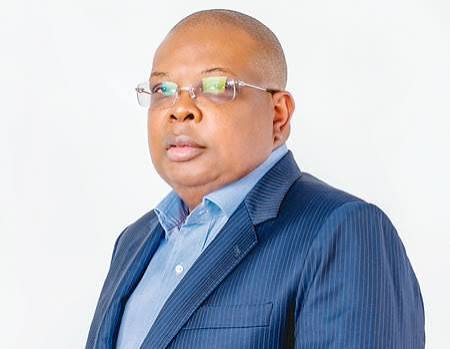
At the groundbreaking ceremony, Newsconnect reports that the Minister of Power Joseph Tegbe described the initiative as a significant step toward universal electricity access, stronger energy security and a cleaner energy mix. He emphasized that mini-grids complement rather than replace the national grid, forming a vital component of Nigeria’s evolving power system alongside conventional grid infrastructure, renewable energy and energy storage solutions.
Tegbe noted that the projects are being delivered under the Distributed Access through Renewable Energy Scale-up (DARES) Programme, the world’s largest publicly funded renewable-energy access initiative, which is leveraging both public and private investments to provide reliable electricity to millions of Nigerians.
According to the Managing Director and Chief Executive Officer of the Rural Electrification Agency (REA), Abba Abubakar Aliyu, the projects are part of a broader deployment of 39 mini-grids across Adamawa State—three interconnected and 36 isolated—with a total capacity of nearly 27MW.
The programme is expected to benefit about 40,000 households, 6,000 micro, small and medium-sized enterprises, and more than 100 public institutions. He praised the minister’s consistent support for renewable energy and his recognition of mini-grids as an essential element of the national power ecosystem.
Governor Ahmadu Umaru Fintiri applauded the Federal Government for the initiative and commended Tegbe’s leadership. He observed that the projects stemmed directly from the REA State-by-State Roundtable held last year, which successfully brought together developers and state governments while highlighting Adamawa’s readiness for investment.
While officially breaking ground, the minister thanked the state government for allocating 30 hectares of land, lauded the REA for its implementation efforts, and acknowledged the contributions of development partners, distribution companies, financiers and host communities. He also urged residents to safeguard the infrastructure against vandalism, stressing that the facilities belong to the people they will serve.
For the beneficiary communities, the projects represent more than the start of construction; they signal the beginning of an era in which dependable electricity will stimulate business, enhance education and strengthen livelihoods. The milestone further underscores the Renewed Hope Agenda’s commitment to building Nigeria’s energy future in a deliberate, efficient and sustainable manner.