

By Abayomi Elias
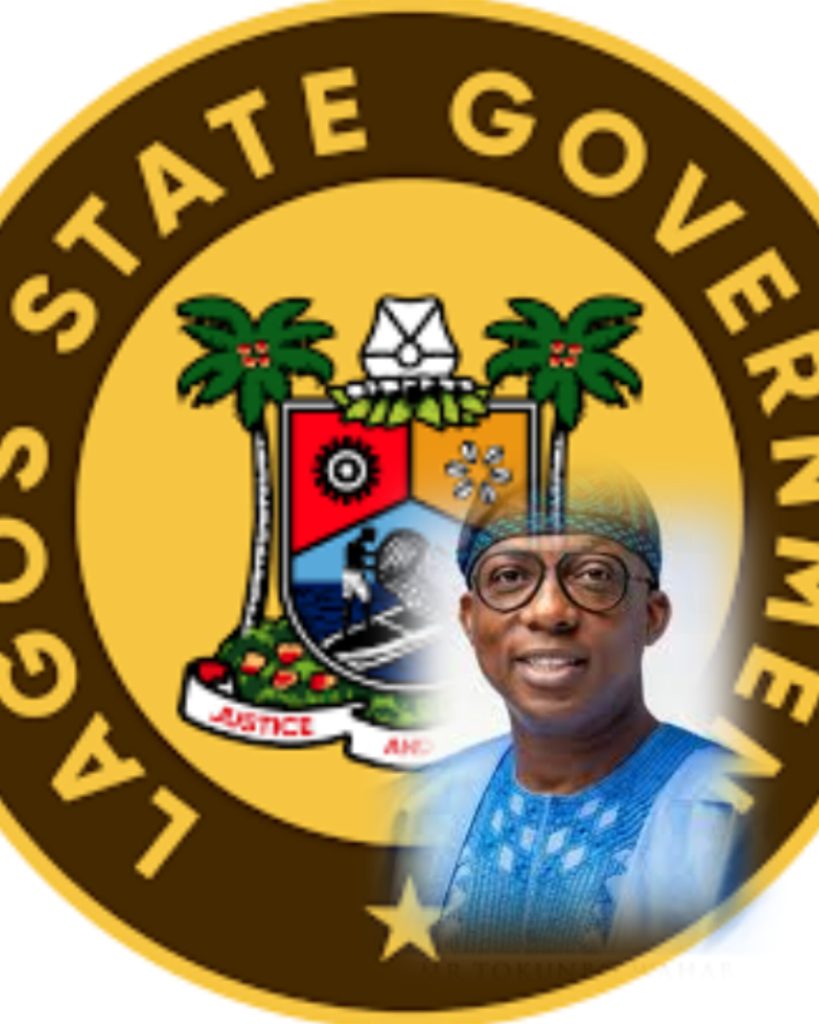
Lagos State Commissioner for the Environment and Water Resources, Tokunbo Wahab, has defended the state government’s environmental policies, saying major interventions in drainage management, flood control and waste disposal are beginning to yield results, even as he acknowledged recent challenges in waste collection across the state.
Speaking during an exclusive interview on The Morning Show on Arise News, Newsconnect reports that Wahab said the government, with the approval of Governor Babajide Sanwo-Olu and the State Executive Council, removed structures obstructing waterways and installed culverts to improve the flow of stormwater into the Lagos Lagoon.
He said the interventions contributed to a reduction in flooding incidents in 2024 but noted that while flash flooding cannot be completely prevented, its impact can be significantly reduced.
The commissioner disclosed that a United Nations Environment Programme (UNEP) study commissioned by the state found that plastics and styrofoam were among the biggest causes of blocked drainage channels. He said the findings informed the state’s decision to ban styrofoam despite public criticism.
According to him, manufacturers were given 18 months to transition to alternative packaging, with only one major producer taking longer to comply.
Addressing flooding in Ologolo and Ajiran, Wahab attributed the situation to ongoing infrastructure projects, including the coastal road construction, and warned against indiscriminate land reclamation that blocks natural stormwater channels. He said the state has submitted a drainage master plan to the Federal Ministry of Works, which is working on a permanent solution.
The commissioner also apologized to Lagos residents over the recent delays in waste collection, admitting that the state experienced operational challenges.
He explained that Lagos is moving away from the traditional “pick-and-dump” waste disposal system to a waste-to-wealth model that converts waste into energy, recyclable materials and compost for agriculture.
Wahab said the government has commissioned a biodigester project in Ikosi, is expanding similar facilities to Mushin, and is developing a larger waste-to-energy plant capable of processing 4,250 tonnes of waste daily. He added that the state has also partnered with Lafarge to convert combustible waste into alternative fuel for cement production.
The commissioner revealed that Lagos generates about 13,000 tonnes of municipal solid waste daily, while the Olusosun landfill has reached full capacity. As a temporary measure, he said the state is using landfill facilities in a neighbouring state while implementing long-term reforms.
Wahab expressed confidence that Lagos residents would begin to see the impact of the ongoing waste management reforms by November and December, stressing that sustainable environmental solutions require long-term planning rather than quick political fixes.