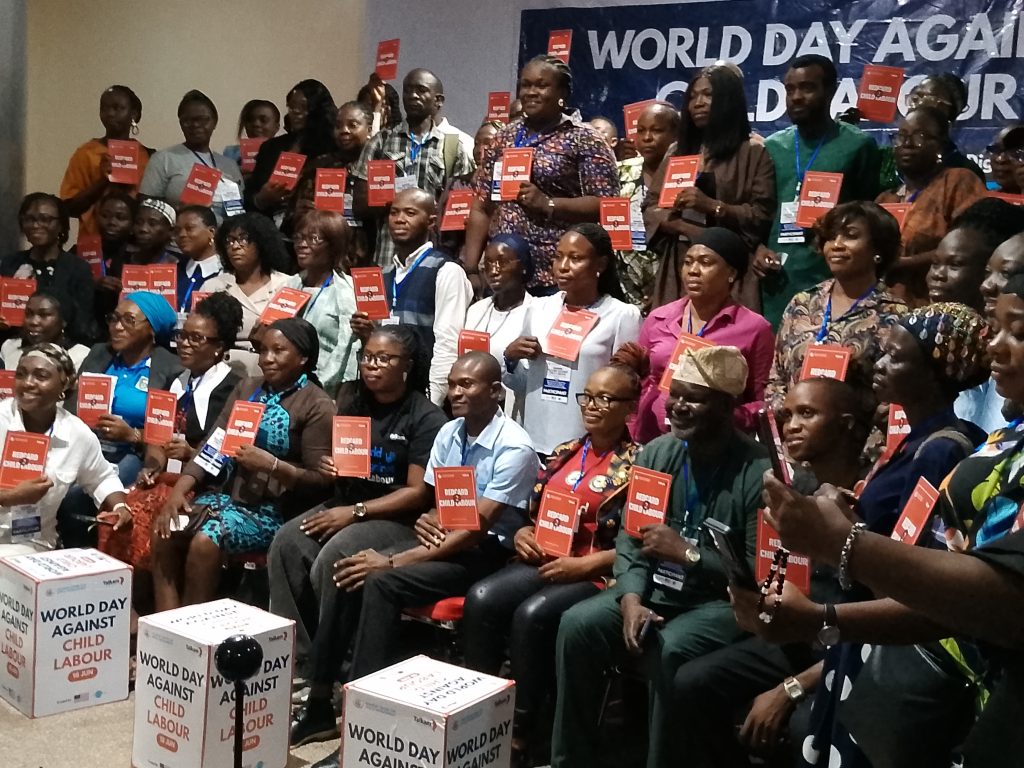

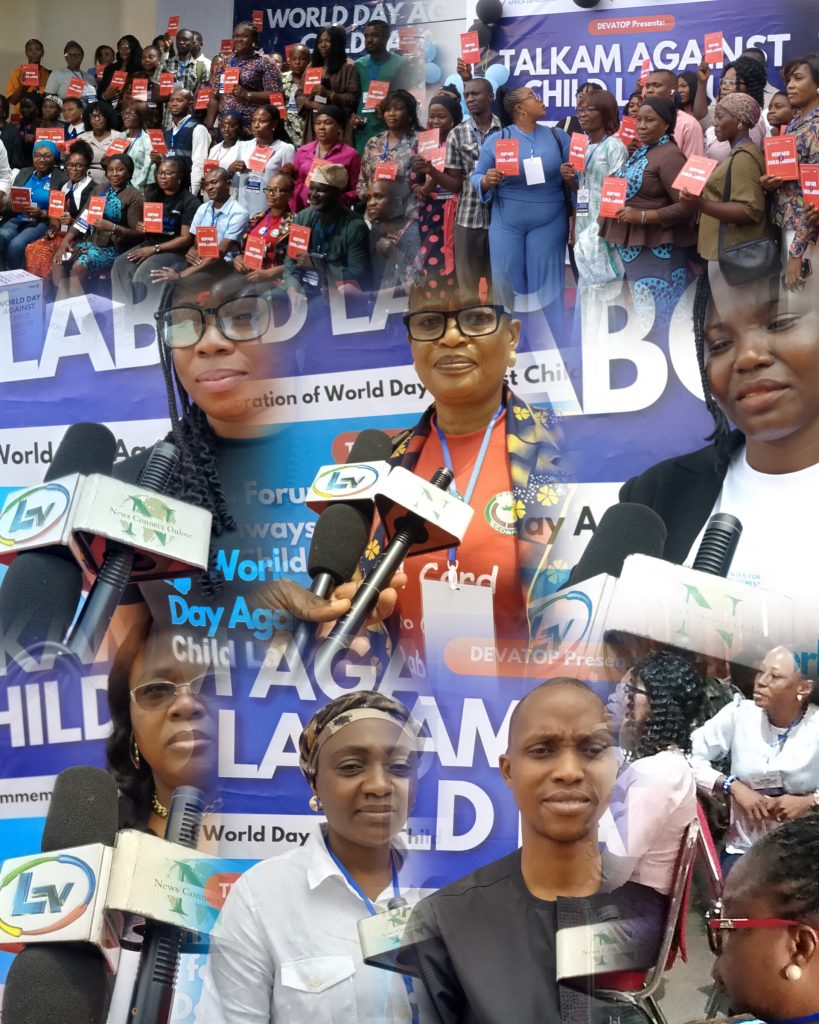
Stakeholders from government agencies, civil society organisations, child protection groups and the education sector have called for urgent and coordinated action to end child labour in Nigeria, identifying poor law enforcement, harmful cultural beliefs, poverty and societal attitudes as major obstacles to protecting children.

The call was made during a Coordination Forum on Case Management and Referral Pathways for Combating Exploitative Child Domestic Work in Lagos State, organised by the DEVATOP Centre for Africa Development to commemorate the 2026 World Day Against Child Labour.
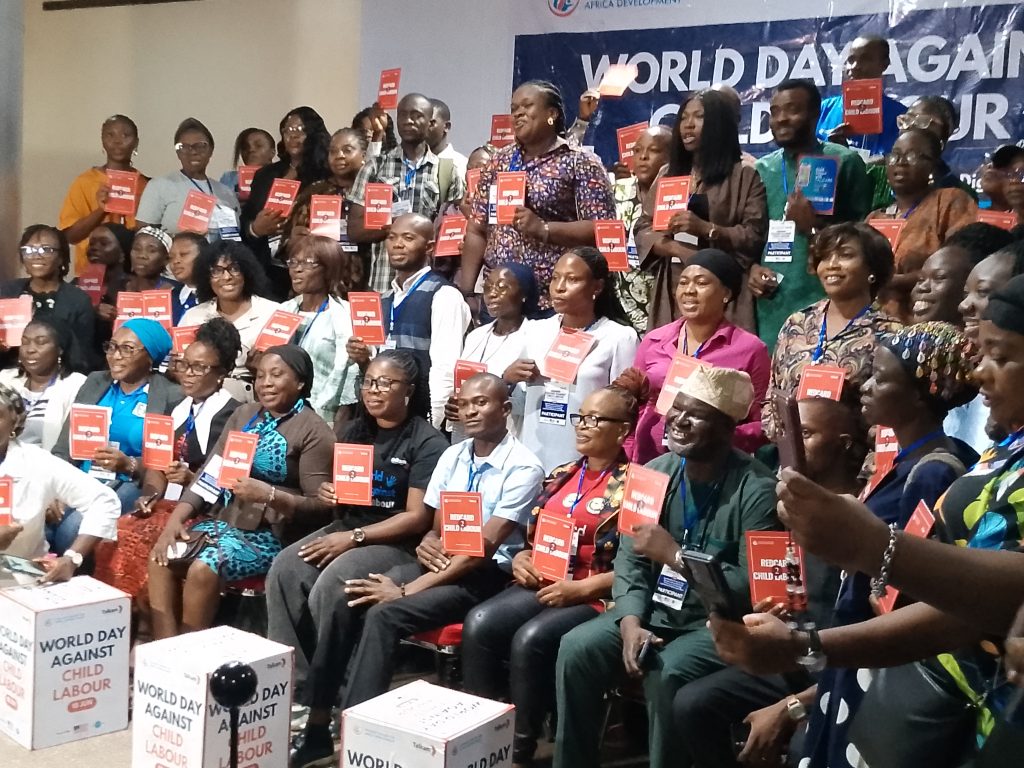
The forum brought together government institutions, educators, community leaders, survivors and child protection actors to strengthen collaboration, improve referral pathways and enhance child-sensitive case management systems aimed at protecting vulnerable children.
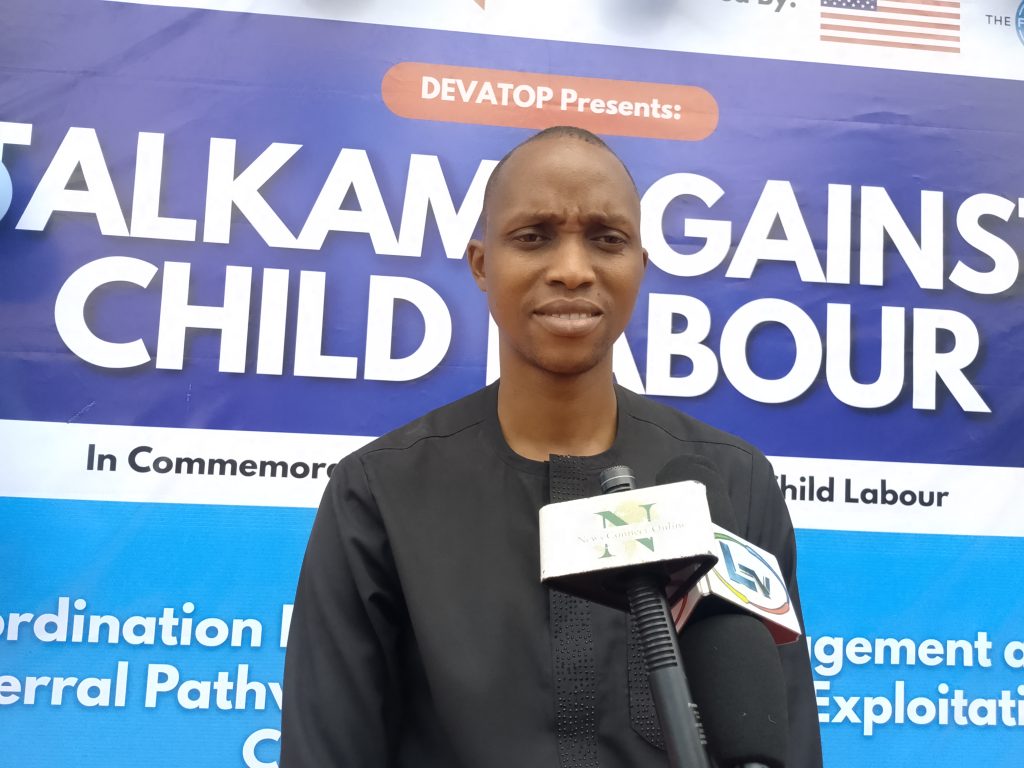
Speaking during an interview at the event, Samuel Esuola, Project Team Lead of Hearts & Hands Humanitarian Foundation who was a facilitator stressed the importance of effective case management and adherence to global best practices when supporting children affected by exploitation.
According to him, the session focused on equipping government stakeholders, school teachers, non-governmental organisations and community leaders with the knowledge required to provide interventions that do not cause further harm to victims.
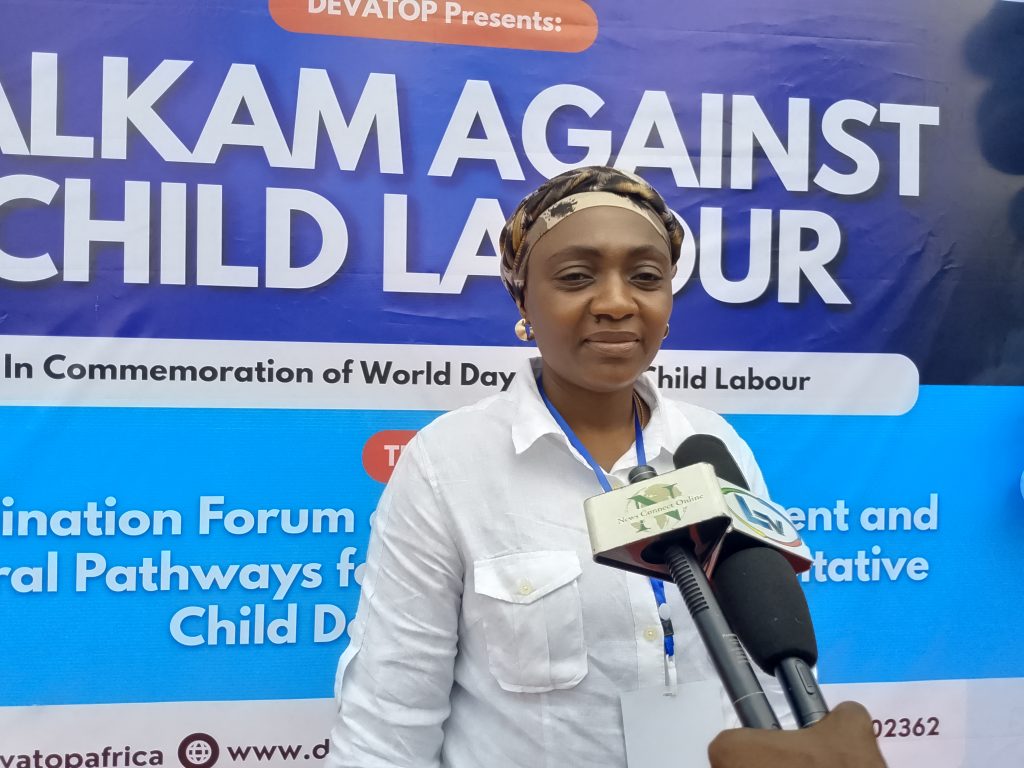
Child protection advocate and social worker Lilian Anyebe blamed the persistence of child labour on deep-rooted cultural beliefs that often portray child labour as a form of training for children.
She lamented the poor implementation of child protection policies, noting that despite the existence of the Child Rights Law, several states are yet to domesticate or fully enforce it.
“It’s 2026 and we are still discussing child labour because implementation remains weak. Funding is also a major challenge,” she said.
Anyebe further noted that poverty and family hardship often force parents to depend on their children’s income, adding that interventions should focus on addressing the root causes through rehabilitation, skills acquisition and economic empowerment for vulnerable families.
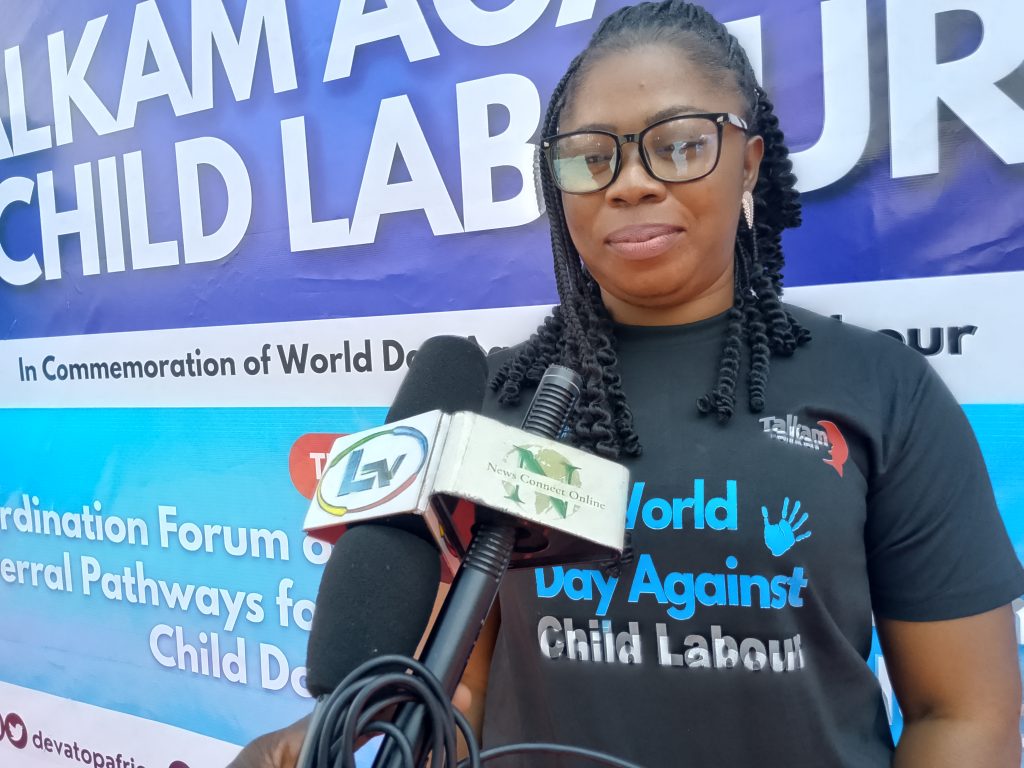
For Nora Dove Nongu, Head of Programmes at DEVATOP Centre for Africa Development, the forum represented a shift from awareness creation to practical action.
She explained that stakeholders directly involved in responding to child abuse and exploitation were brought together to strengthen referral pathways and reinforce commitments toward tackling child labour.
“We hope that after this event, stakeholders will move beyond conversations and take concrete action,” she said.
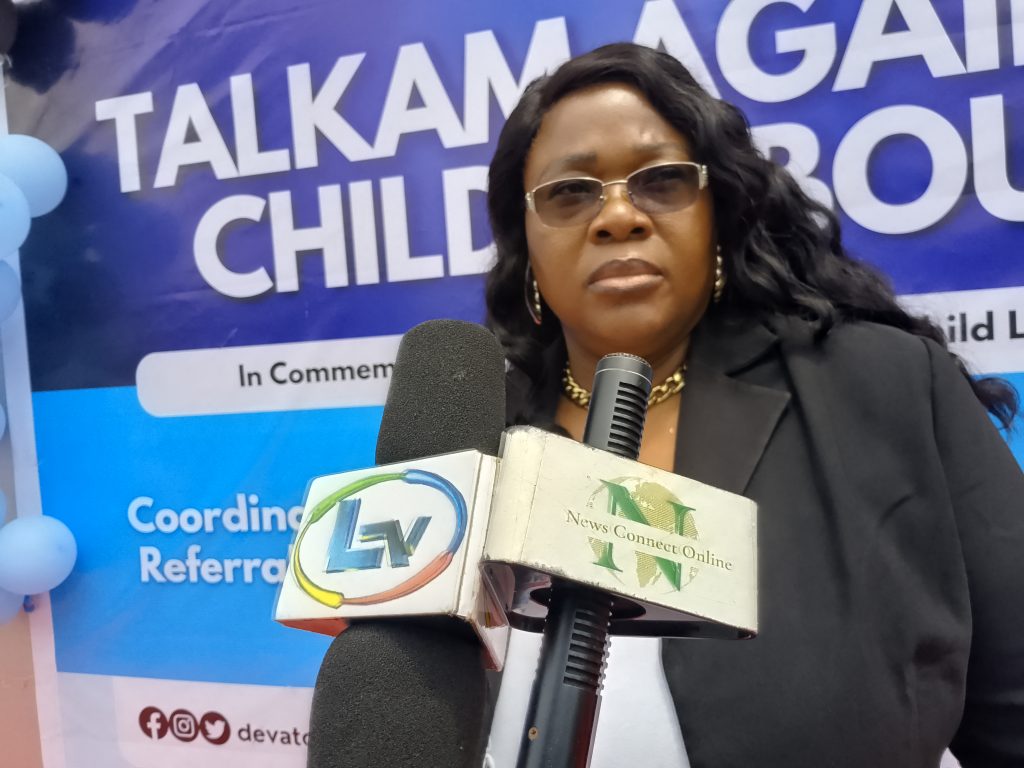
Also speaking in an interview, Phoebe Dooshina Awange, President of Break the Silence Nigeria, described child labour as a serious social problem that threatens children’s development and future prospects.
She emphasized that stakeholder engagement remains critical in addressing all forms of child labour and exploitation.
Awange identified weak collaboration, bureaucratic bottlenecks and inadequate public awareness as major challenges, urging government agencies to support civil society organisations working to protect children.
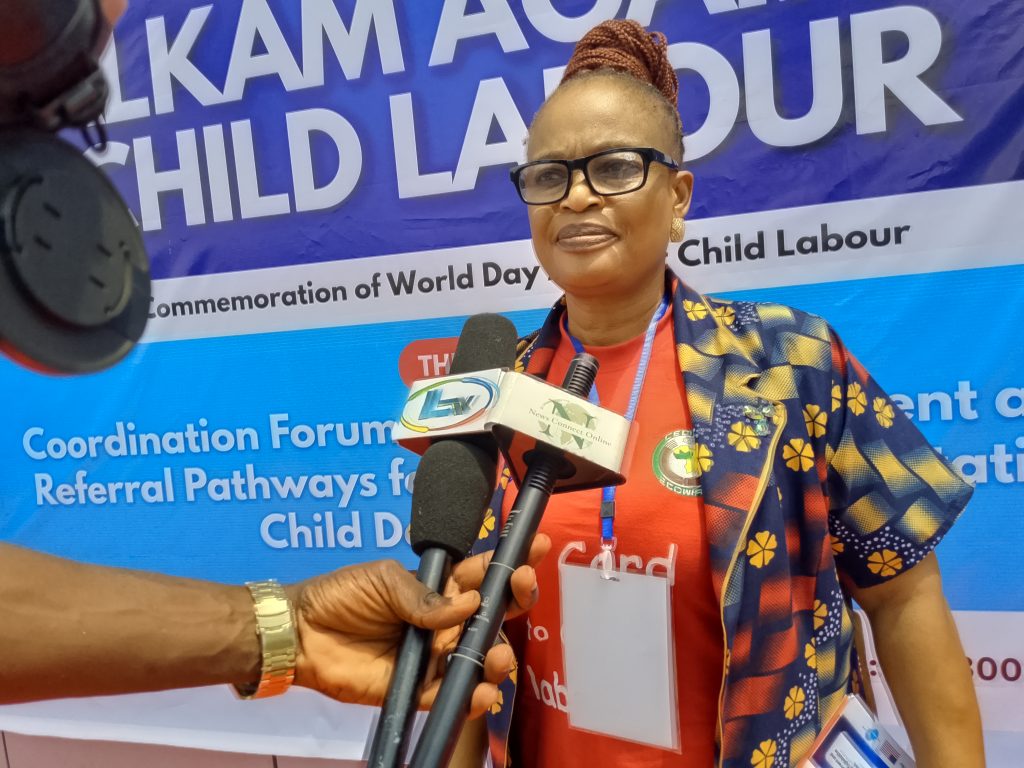
On her part, Eunice Joy Omofouwan, Child Labour Desk Officer at the Federal Ministry of Labour and Employment, argued that societal mindset remains the biggest obstacle to ending child labour in Nigeria.
She called for a change in perception, stressing that any activity that keeps a child away from school or deprives them of their childhood constitutes child labour.
“People need to understand that a child belongs in school and should not be burdened with excessive domestic work. Everyone must speak up and report cases when they see them,” she said.

Looking ahead, Janet Homo, Project Lead for DEVATOP Centre for Africa Development, expressed optimism that stronger collaboration among organisations and more effective referral systems would contribute significantly to reducing child labour in Lagos State and across Nigeria.
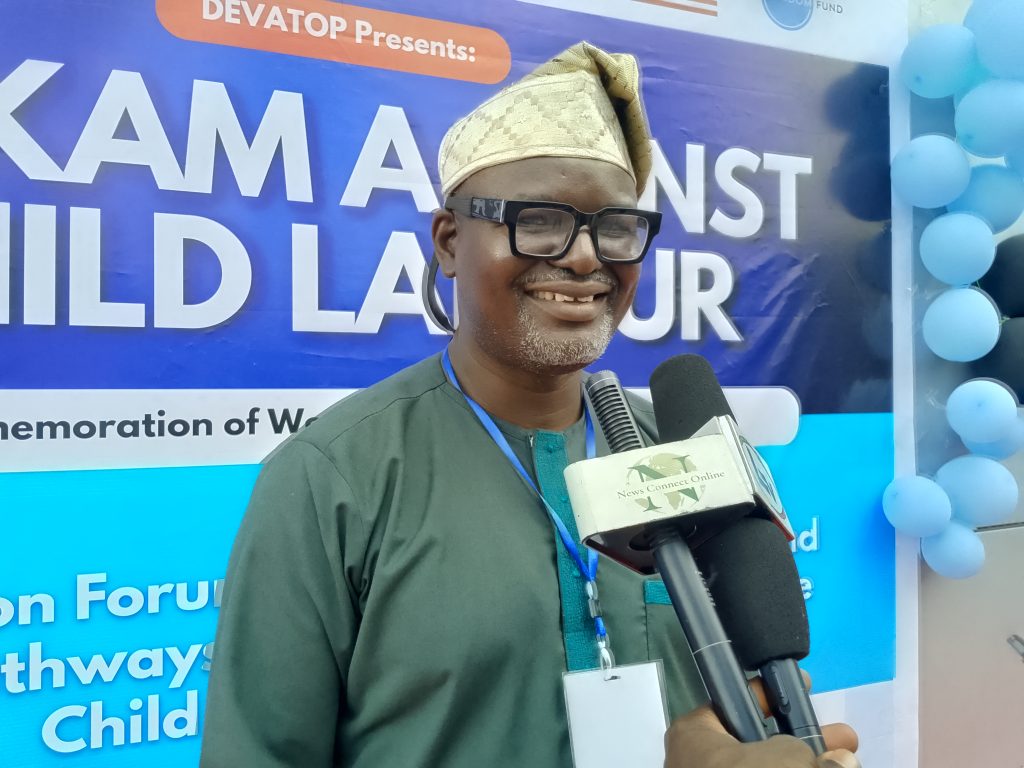
Similarly, Damilola Adenusi, Head of Programmes at Cece Yara Child Advocacy Centre, urged Nigerians not to remain indifferent to child abuse and exploitation.
“Every child deserves a good life. Protecting a child today is protecting our future,” she said.
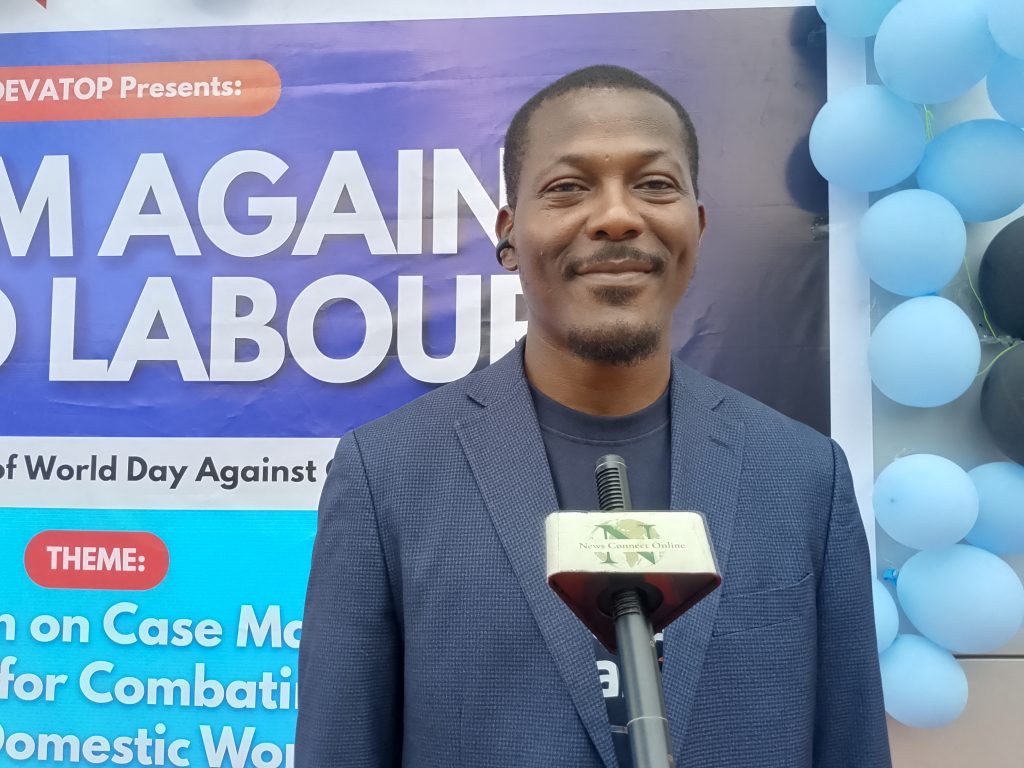
Moderator of the panel session, Abba Victor Edache, Community Liaison Officer at DEVATOP, explained that the discussions were intentionally designed to secure commitments from participants and ensure measurable progress before the next edition of the forum.
The event was held under the programme “Addressing Exploitative Child Domestic Work in Lagos”, implemented by DEVATOP in partnership with CeceYara, Slum2School, CAPRIGHTS, Street Project Foundation (SPF), MAEJT, and Hearts & Hands Humanitarian Foundation, with support from The Freedom Fund and funding from the United States Department of State.
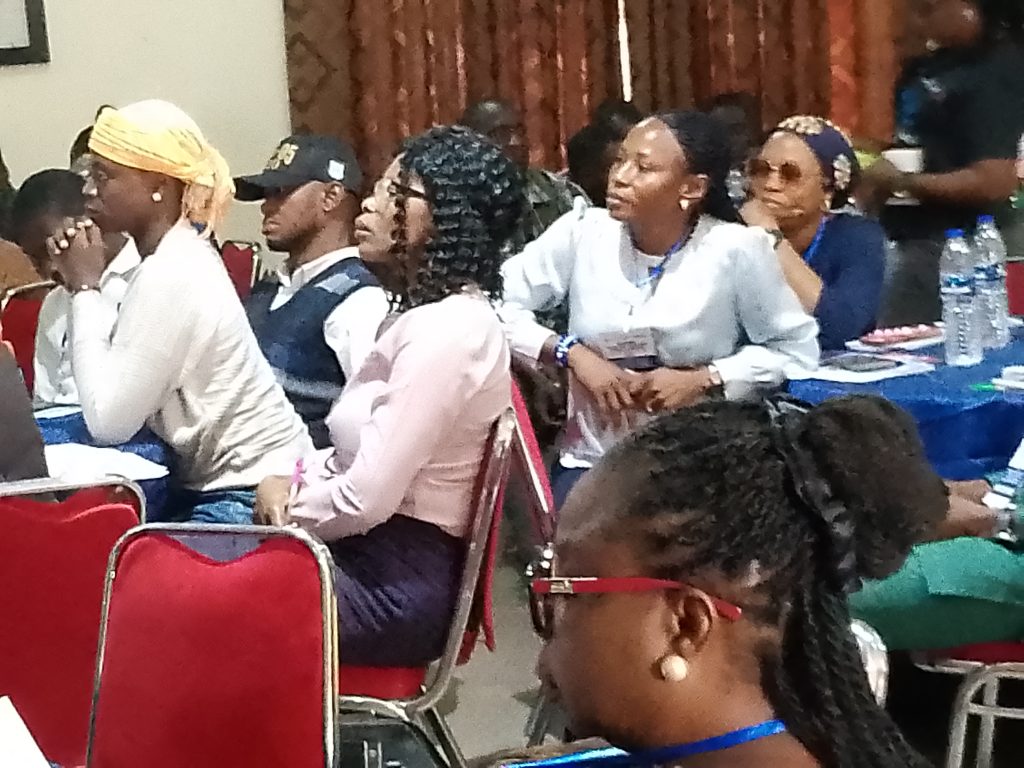
Participants examined the growing challenges posed by exploitative child domestic work, a largely hidden form of child labour that often exposes children to abuse, excessive workloads, denial of education, social isolation and other violations of their rights.
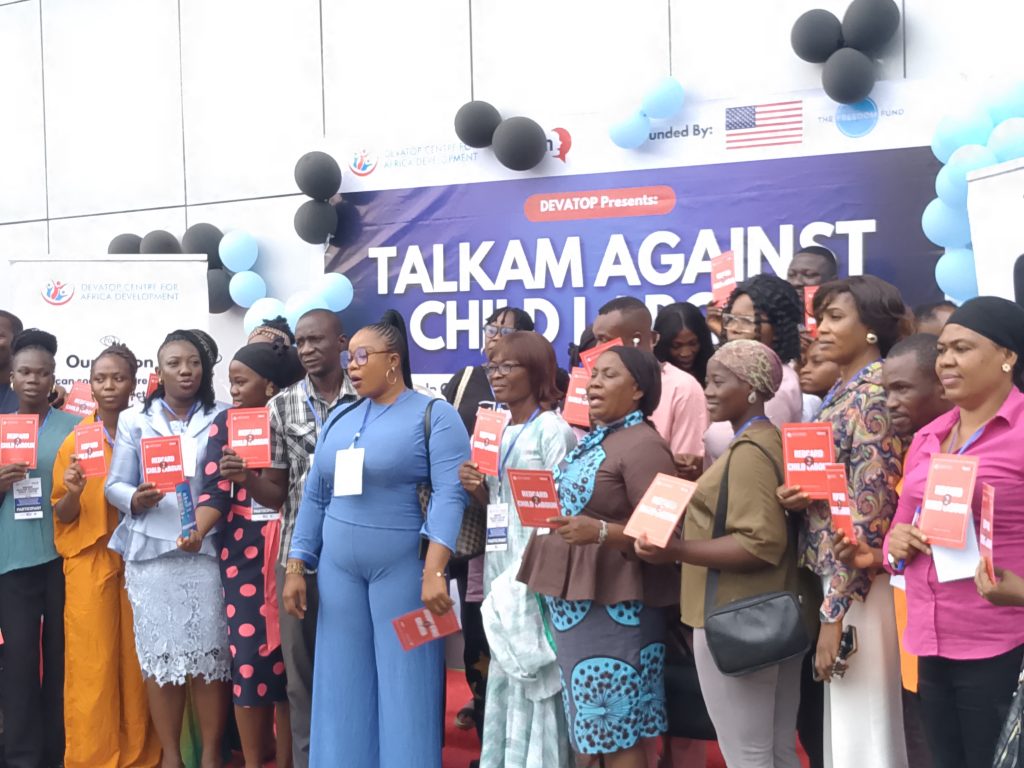
The forum concluded with stakeholders reaffirming their commitment to strengthening protection systems, improving referral mechanisms and advancing coordinated efforts to safeguard children from exploitation across Lagos State and Nigeria as a whole.