

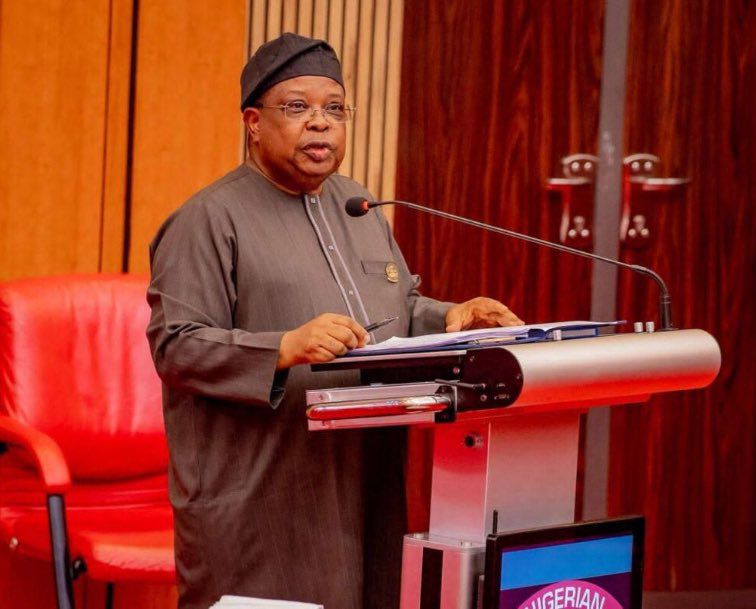
Thirty days after assuming office as Nigeria’s Minister of Power, Joseph Olasunkanmi Tegbe is drawing attention for a reform-driven approach focused on execution, institutional coordination, and operational improvements across the electricity sector.
During his Senate confirmation screening on May 6, 2026, Tegbe pledged not to make promises he could not keep, stressing a commitment to realistic goals and measurable outcomes in a sector long challenged by underperformance, liquidity constraints, infrastructure deficits, and declining public confidence.
Nigeria’s power sector continues to grapple with gas supply shortages, transmission bottlenecks, metering gaps, legacy debts, and governance issues. Despite having an installed generation capacity of over 13,000 megawatts, actual electricity supply remains significantly below national demand.
Since taking office, Tegbe has prioritized closer collaboration among major industry stakeholders, including the Ministry of Power, Transmission Company of Nigeria (TCN), Nigerian Electricity Regulatory Commission (NERC), Rural Electrification Agency (REA), Niger Delta Power Holding Company (NDPHC), Nigerian Independent System Operator (NISO), and the Nigerian Bulk Electricity Trading Company (NBET).
The minister has also engaged development partners such as the World Bank and the African Development Bank to explore financing options aimed at improving market liquidity, stabilizing electricity generation, and supporting broader sector reforms.
Among the notable developments recorded within the period is the revival of the Alaoji Power Plant in Abia State, which had remained inactive for years. The restoration of generating units at the facility by NDPHC has added capacity to the national grid.
On the transmission side, new infrastructure has been energized at strategic substations, including Katampe in Abuja, as well as facilities in Ayede and Abeokuta under the Presidential Power Initiative. The upgrades are expected to improve grid stability, enhance transmission capacity, and strengthen network reliability.
Consumer protection has also received renewed focus, with NERC directing compensation for eligible Band A customers affected by service delivery shortfalls, reinforcing regulatory efforts to ensure that premium tariffs are matched by corresponding service standards.
Although observers note that one month is too short to fully assess the impact of the reforms, early signs point to a leadership approach centered on coordination, accountability, and visible implementation as the government seeks to address the sector’s longstanding challenges.
The assessment was contained in a commentary by Adeola Labzy, spokesperson to the Minister of Power, who said the administration’s early efforts are focused on restoring confidence and driving practical improvements across the power value chain.