

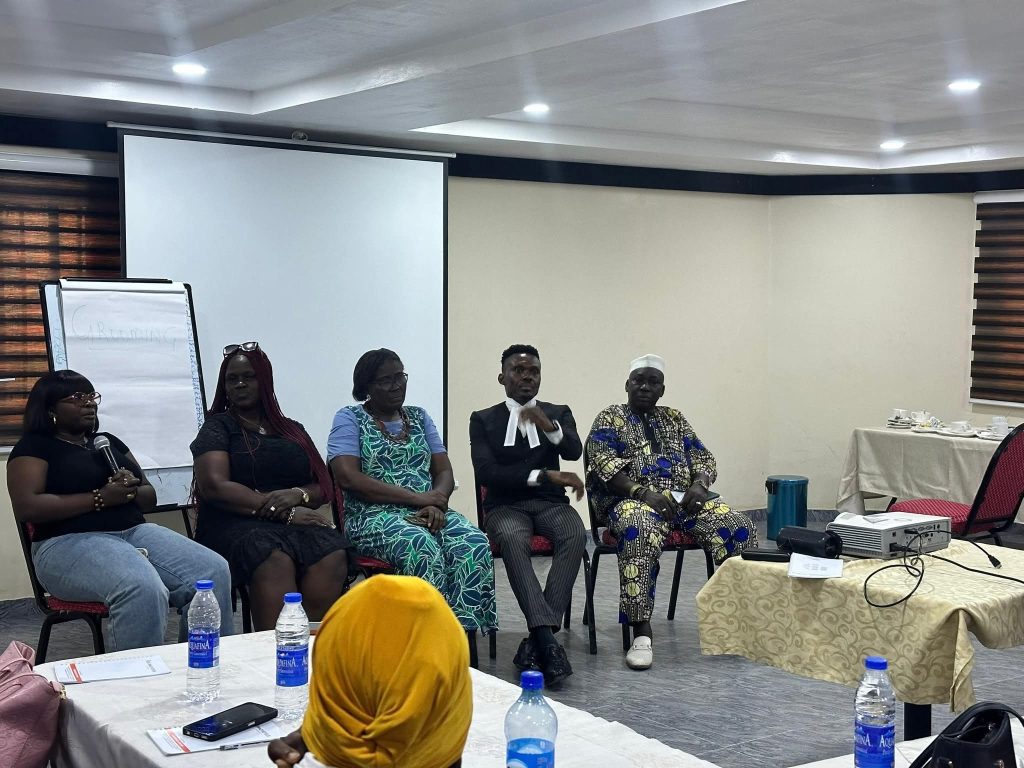
Vision Spring Initiatives (VSI) a non governmental organisation with a mandate to protect and promote the rights of women in Nigeria successfully held its second Mock Tribunal on Sexual and Reproductive Health and Rights (SRHR).
The summit brought together key stakeholders to deliberate on policy frameworks that can better protect the health and well-being of young people. The tribunal highlighted the urgent need to safeguard girls’ rights and ensure improved health outcomes. Protecting their dignity and well-being is not just a priority — it is a responsibility.
The Tribunal opened with a powerful documentary showcasing the lived experiences of young women as they navigate the many challenges of accessing their sexual and reproductive health and rights (SRHR).
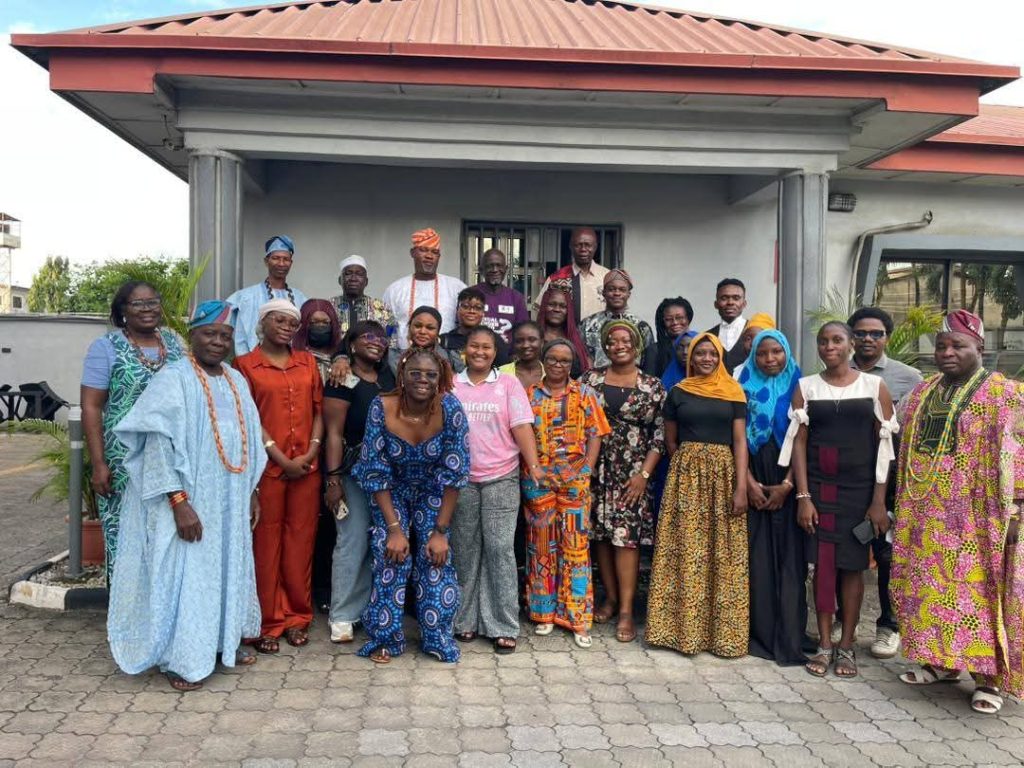
In her welcome address, Ngozi Nwosu-Juba, Executive Director of Vision Spring Initiatives (VSI), reminded participants—drawn from the legal community, media, young women, religious and traditional leaders, civil society organizations, and other key stakeholders—of the devastating impact of unsafe abortion in Nigeria.
She emphasized that unsafe abortion has claimed the lives of too many young Nigerians, stressing that the economic and social costs of repairing damages caused by unsafe abortion far outweigh the investment required to protect girls, provide them with accurate information, and secure their well-being.
Following Ngozi Nwosu-Juba’s presentation, young women shared moving testimonies about the challenges they encounter in accessing safe sexual and reproductive health information and services.
Their stories, many of them heartbreaking, left several stakeholders in tears, underscoring the urgency of action.
After the testimonies, the ‘judges’ convened to deliberate and deliver verdicts, focusing on the responsibilities of families, healthcare providers, government agencies, educational institutions, religious and traditional rulers, lawmakers, the media, and young people themselves in advancing sexual and reproductive health and rights (SRHR).
The Tribunal Outcome has provided a clear framework for collective responsibility and has set the tone for subsequent interventions to be undertaken by Vision Spring Initiatives, strengthening momentum towards protecting the health and well-being of young women and girls in Nigeria.

Tribunal Verdict / Outcome
After listening to testimonies and deliberations, the Tribunal delivers the following outcomes and recommendations:
Families
Must break the silence around sexual and reproductive health by openly discussing SRHR issues with young people.
Should provide safe, non-judgmental support to young women and girls who face challenges.
Parents should strive to be safe spaces where their children feel free to discuss and share the challenges they face while navigating their sexual and reproductive health and rights needs and services.
Healthcare Workers
Are urged to provide non-discriminatory, youth-friendly, and confidential SRHR services.
Must be trained and supported to offer accurate information and services, including post-abortion care.
Government Agencies
Should review and reform policies to protect the health and rights of young women and girls, especially around unsafe abortion.
Must allocate adequate resources for SRHR services in public health facilities.
Educational Institutions
Must integrate comprehensive sexuality education (CSE) into school curricula, tailored to age and context.
Should strengthen school counseling units as safe spaces for young people to seek information and support.
Lawmakers
Are called upon to enact and review laws that uphold the reproductive rights of women and girls, removing punitive restrictions that endanger lives.
Should prioritize policies that reduce unsafe abortion and promote access to safe, quality health care.
Media
Should use their platforms to challenge stigma and misinformation around SRHR.
Are encouraged to highlight survivor voices and promote positive narratives about young women’s health and rights.
Young People
Are urged to take up active roles as advocates and peer educators, stepping down knowledge to their peers and communities.
Should continue to demand accountability and policies that protect their health and future.
Religious and traditional rulers play a critical role in shaping community values, and their support for sexual and reproductive health and rights can help dismantle harmful practices while promoting acceptance, protection, and dignity for women and girls.
Changing harmful norms and traditions around sexual and reproductive health and rights (SRHR) is essential to breaking cycles of silence, stigma, and inequality, and to creating communities where young people—especially women and girls—can make informed choices about their bodies and futures.
The Tribunal concludes that unsafe abortion is preventable and that the cost of inaction is far greater—measured in lost lives, economic strain, and cycles of injustice.
Collective responsibility is required, and this verdict stands as a call to action for all stakeholders to act decisively in safeguarding the sexual and reproductive health and rights of young Nigerians.
Ngozi Nwosu-Juba
Executive Director, Vision Spring Initiatives